Not all sweets pose an equal risk of cavities; neither do all consumption habits. Dr Nedungadi shares five simple rules to follow to enjoy without worrying.
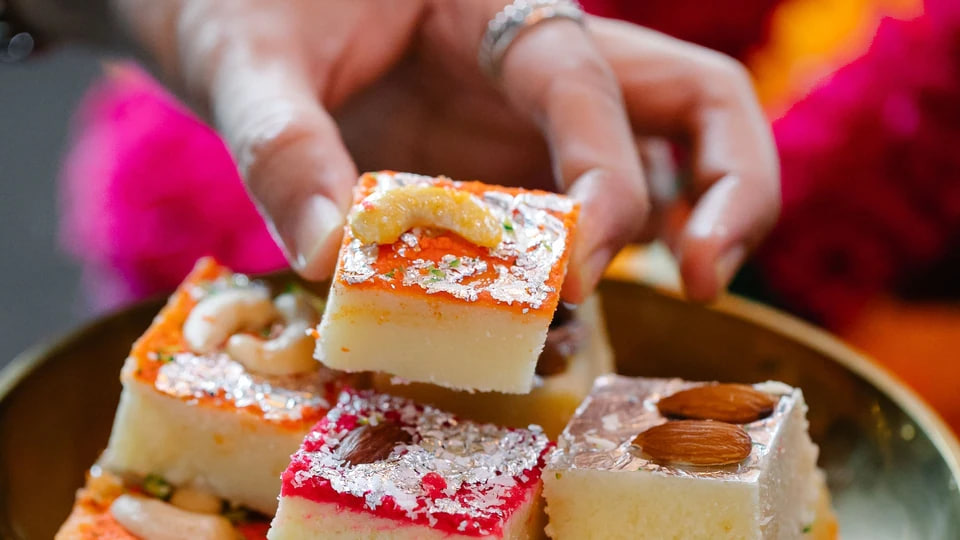
Festivals in India are incomplete without a table full of mithai, boxes of chocolates, crispy snacks, and endless rounds of treats offered to guests. While that might be a party for the taste buds, it is not so for the teeth, cautioned orthodontist Dr Aditi Nedungadi in an interaction with HT Lifestyle.
The high-sugar diet during the festive season can significantly raise the risk of cavities. However, Dr Nedungadi shared five mindful eating habits that can help one indulge in the festivities while keeping the teeth healthy.
1. Enjoy sweets with meals instead of snacking all day
Eating sugary foods means that the teeth are constantly being attacked by acid. In the words of Dr Nedungadi, “The sugar is what feeds the bacteria in your mouth and subsequently forms acids that wear down your enamel over time.”
Rather than snacking on sweets all day, the orthodontist suggested eating sweets with meals. She explained that saliva production increases during meals, helping neutralise acids and wash away food particles.

2. Choose your festive treats wisely
“Not all sweets are equally harmful to your teeth,” pointed out the orthodontist. She explained that sticky sweets such as caramel-based mithai, chikki and some dried-fruit preparations can cling to the teeth and keep sugar in the mouth for longer.
“You do not need to give them up entirely, but limit how often you consume them. Choose treats that are easier to clear from your teeth and enjoy sticky sweets in moderation,” stated Dr Nedungadi.
3. Hydration is important
Between festive meals, sugary beverages, soft drinks, and packaged juices can add to the day’s sugar intake.
“Water is a better choice for keeping your mouth hydrated and helping rinse away food particles,” shared Dr Nedungadi. “Drinking water after eating sweets can help clear some residue from your mouth.”
4. Tooth-friendly foods after your meal
Following the feasts, it is better to choose tooth-friendly snacks such as cheese, plain yoghurt, nuts, and crunchy vegetables.
“Cheese is high in calcium and can also help stimulate saliva, and nuts are nutrient-dense and sugar-free, unlike most desserts. These foods complement a balanced diet and support oral health, although they cannot replace brushing and flossing,” pointed out the orthodontist.
5. Continue your oral hygiene routine
As Dr Nedungadi stated, “After late-night parties and post-dinner celebrations, it can be all too tempting to skip brushing before bed. But it’s a good habit to maintain, even on the busiest of days. Brush your teeth for two minutes twice a day.”
Festivals are meant to be enjoyed, and sweets are often part of the tradition. By being mindful of how often one eats sugary foods and maintaining a consistent oral care routine, the orthodontist stated that we can celebrate without compromising our dental health.